Program Overview
The Program In Cancer Training & Education (PICTE) is a Summer and Fall term paid undergraduate research and mentoring fellowship program. Each year, the program will train ten undergraduate students by providing a cutting-edge cancer research experience, didactic curricular training on emerging topics in cancer research and therapy, and professional development opportunities to prepare student participants for careers in cancer research and treatment. PICTE provides broad research opportunities focused on the molecular basis of tumorigenesis amongst sixteen faculty mentors in the Departments of Biological Sciences and Chemistry, and leverages the strength of our strong collaborations and close partnership with the National Cancer Institute (NCI)-designated UPMC Hillman Cancer Center in Shadyside.
PICTE Experience


Applications will open mid January 2027 and close mid March 2027. Current freshman to juniors are eligible to apply to the program. Students may be in one of the 16 faculty mentor labs (see Faculty Mentors below) or not yet in a research lab, with separate applications (only submit one application based on your current status).
Students will be notified of program acceptance by mid April 2027.
Applications have closed for 2026. Please check back in January 2027 for the 2027 program cycle.
PICTE Faculty Mentors
- Karen Arndt, PhD
 Dr. Karen Arndt is a Professor in the Department of Biological Sciences. Her work focuses on the regulation of transcription by RNA polymerase II with an emphasis on the proteins that globally coordinate transcription elongation with alterations to chromatin structure. A major focus is the Paf1 complex. Defects in the Paf1 complex and/or its dependent histone modifications are associated with cancer including those of the pancreas, breast, parathyroid, and blood. A second major focus is the nucleosome remodeler Chd1. Mutations in Chd1 are linked to a large percentage of human prostate cancers. Dr. Arndt’s work has been continuously supported by the NIH and is currently funded by an R35 grant.
 Dr. Arndt has trained 53 undergraduates in her lab, and nearly all students have advanced to graduate or medical school. Eighteen undergraduates were co-authors on publications from the lab, contributing to the publication of fourteen papers. Undergraduates in Dr. Arndt’s lab have also been successful in receiving fellowships: 25 were supported by the HHMI program, 2 were Beckman Scholars, 2 received NSF REU fellowships, and 9 received University honors (3 Brackenridge Fellows, 4 Colella Awardees, 1 Horowitz Fellow, and 2 Arts & Sciences Fellows). Undergraduate researchers are engaged in all aspects of research, from planning to execution to analysis, and they receive training in both oral and written scientific communication. Most students present their work at local research conferences. In addition to mentoring undergraduates within the lab, Dr. Arndt has also taught or developed lecture courses in microbial genetics and molecular biology as well as research-based undergraduate lab courses in microbial genetics and DNA regulation.
- Andrea Berman, PhD
 Dr. Andrea Berman is an Associate Professor in the Department of Biological Sciences and joined us in 2012. Their work focuses on the fundamental principles of translation regulation by RNA-binding proteins. La-related protein 1 (LARP1) is associated with several cancers, including those of the ovary, cervix, and lung. The impact of LARP1 on the signaling pathways associated with the growth and proliferation regulators likely underlies the role of LARP1 in cancer. The lab is working on understanding the underlying molecular mechanism of LARP1, including examining potential anti-LARP1 therapies. Dr. Berman is currently supported by a grant from the NIH.
 Since its inception, 22 undergraduates have performed research in the Berman lab. Five undergraduates earned fellowships while in the lab. Two published papers have included undergraduate co-authors with another currently in review. Most undergraduate students begin their work in the lab by helping to generate reagents used by other lab members. This helps instill a sense of community and shows them that their contributions matter to everyone’s success. The student then works with a graduate student on an independent project that is related to the graduate student’s project in concept and technique.
- Jon Boyle, PhD
 Dr. Jon Boyle is a Professor who joined the Department of Biological Sciences in the Fall of 2008. Dr. Boyle’s lab studies the human parasite Toxoplasma gondii, a parasite that causes severe disease in the immunocompromised, most notably patients undergoing chemotherapy for blood cancers and those receiving organ transplants as a result of cancer.
 Dr. Boyle has been continuously funded by the NIH since 2008 and was awarded a Pew Scholarship in 2009. Dr. Boyle is PI on two current R01 grants and has mentored over 40 undergraduates in his laboratory since 2008. Ten of these students have co-authored 7 publications. Undergraduates in the lab are trained to perform every technique required to independently execute their research projects and present data to the lab during weekly lab meetings, which hones their data analysis and presentation skills. Undergraduates receive broad training in the lab from their primary mentor with consistent (weekly or bi-weekly) oversight from Dr. Boyle.
In addition, Dr. Boyle has served on multiple Department committees focused on Undergraduate Research, including the HHMI Undergraduate Research Executive Committee (2009-2011), the Undergraduate Planning and Oversight Committee (2010), and the Undergraduate Research Certificate Oversight Committee (2013-2015). He also chaired the Undergraduate Research Committee (2010-2012). Dr. Boyle also served as chair of the Graduate Recruiting Committee (2017-2020) and was the primary driver to recruit and evaluate changes which helped diversify our graduate student population.
- Jeff Brodsky, PhD
 Dr. Jeffrey Brodsky is the Avinoff Professor of Biological Sciences and leads the Center for Protein Conformational Diseases. He joined the Department of Biological Sciences in 1994 and was named the Avinoff Professor in 2006. In addition to holding a secondary appointment at the School of Medicine, in 2016 he was asked to lead a new Center for Protein Conformational Diseases, a group of ~20 investigators who use model systems and cutting-edge techniques to define how aberrant proteins arise and cause disease, and how defects in protein architecture and cellular stress responses can be modulated to develop new therapies. These phenomena are verified hallmarks in cancer. Thus, the Brodsky lab has spearheaded efforts to develop drugs that compromise protein homeostasis (“proteostasis”), synergize with approved chemotherapies, and trigger cancer cell death. These efforts have led to the publication of >270 papers and several patents.
 The Brodsky lab is funded by an R35 grant and collaborative awards from the NIH on basic mechanisms underlying proteostasis, along with a recently completed “TheoryLab” grant from the American Cancer Society to translate discoveries into a new rhabdomyosarcoma PDX murine model. A new sub-award on an NCI grant will define how proteostasis contributes to ovarian cancer survival and might be targeted to kill quiescent cells. Dr. Brodsky’s research program has been rewarded by election to the American Association for the Advancement of Science as well as the American Academy of Arts and Sciences, along with the University of Pittsburgh Chancellor’s Research Award in the junior and senior divisions. He won a teaching and Pitt Innovator Award and was also a co-recipient of the Hillman Fellows Award for Innovative Developmental Cancer Research.
Dr. Brodsky is a member of the Genome Stability Group at the UPMC Hillman Cancer Center and a new Hillman Cancer Center graduate program. He has served as a member of ACS study sections and on the Board of Scientific Counselors for the NCI. Dr. Brodsky has mentored ~80 undergraduates, and alumni assumed faculty positions (e.g., Northwestern Medical School, Penn, Rutgers, and Pitt) and leadership positions in the private sector. In addition, students were named Goldwater Scholars, HHMI fellows, Chancellor’s Scholars, and NSF grant recipients. Dr. Brodsky meets weekly with his undergraduates and runs a focused journal club, thus tailoring reading lists to specific projects. He also meets weekly with students and lab members for project-based discussions. All undergraduates deliver formal seminars every ~6 months at special supergroup meetings, and ~50% write an Honors Thesis. During this process, Dr. Brodsky provides hands-on instruction in scientific writing. Dr. Brodsky is also a PI on a graduate student training (T32) NIH award, and for five years served on the Beckman Scholars Executive Committee, which awards grants to institutions with outstanding undergraduate research programs.
- Laty Cahoon, PhD
 Dr. Laty Cahoon in an Assistant Professor in the Department of Biological Sciences and joined us in January of 2020. Her laboratory focuses on characterizing conserved parvulin and cyclophilin peptidyl-prolyl-isomerase (PPIase) chaperones. Notably, this class of proteins has been therapeutically targeted in various cancers. More specifically, the dysregulation of the parvulin PPIase Pin1 has been implicated in cancer, while upregulation of the cyclophilin PPIase CypA mediates tumorigenesis and cancer cell proliferation. Dr. Cahoon’s work identifying the principles of how PPIase chaperones interact with and assist in the proper folding of client proteins will have broad relevance across multiple systems including those relevant to human malignancies.
 Dr. Cahoon has been supported by a K99/R00, and she is currently supported by an R35 from the NIH. Thus far, Dr. Cahoon has mentored several undergraduate, post-bac, and graduate students in the lab. In addition, through the Department’s Promoting PEERs program, Dr. Cahoon has helped URM undergraduate students develop research posters and rehearse presentations for ABRCMS. Furthermore, undergraduate students directly mentored by Dr. Cahoon have won ABRCMS travel awards and poster presentation awards.
- Alex Deiters, PhD
 Dr. Alex Deiters joined the Department of Chemistry in 2013 as a Professor, after spending 9 years as a faculty member at North Carolina State University. Dr. Deiters has pioneered optical control of protein and nucleic function. His lab has also discovered the first specific small molecule inhibitors of microRNA function, including the oncogenic miR-21. Most recently, in collaboration with Dr. Lohmueller at the UPMC Hillman Cancer Center, his group co-developed a new universal CAR strategy to direct T cells to cancer cells using synthetic adaptors.
Dr. Deiters' efforts have been recognized by several awards, including a Research Scholar Award from the American Cancer Society, a Chancellor's Research Award, a Pitt Innovator Award, and most recently a Cope Scholar Award from the American Chemical Society. Dr. Deiters was promoted to Distinguished Professor in 2024 and is leading the development of a new Institute for Synthetic Biology on campus that will further cement interactions between the Departments of Chemistry, Biological Sciences, Bioengineering, and the UPMC Hillman Cancer Center.
To date, Dr. Deiters has hosted 38 undergraduates, and his dedication to his trainees is exemplary. In the last 5 years, five different students coauthored publications, nearly all of his mentees have attended graduate or medical school, and he initiated and led the International Genetically Engineered Machine (iGEM) program at the University for 6 years. The iGEM program recruits a team of undergraduates to develop new technologies, and several Pitt teams have won Gold Medals in the international iGEM competition.
- Jacob Durrant, PhD
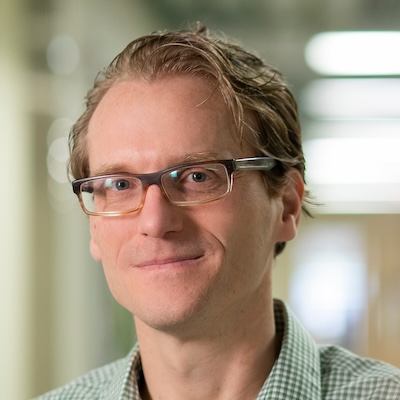 Dr. Jacob Durrant is an Associate Professor in the Department of Biological Sciences who joined the faculty in 2016. His work focuses on developing computational tools for computer-aided drug discovery, with a strong emphasis on cancer therapeutics. To demonstrate the value of these tools in cancer research, he applies them to select protein drug targets, including critical cancer-relevant targets such as those in cell growth and the Warburg effect. In this context, he has collaborated with other cancer researchers in the program (e.g., Drs. Berman and O’Donnell) as well as UPMC Hillman Cancer Center members.
 Dr. Durrant has received funding from the NIH and the American Cancer Society (with Berman) to support these cancer-focused projects. Since joining the University of Pittsburgh, he has mentored 21 undergraduate students and published 12 papers with undergraduate co-authors. His lab cultivates undergraduate research skills by pairing students with either Dr. Durrant or one of his trainees for close guidance on their projects. These mentors conduct weekly meetings with undergraduates to monitor progress on focused, self-contained, and independent projects. His undergraduate students have received multiple awards (e.g., the HHMI Summer Fellowship Program and ABRCMS) and have pursued careers in academia and industry.
- Sarah Hainer, PhD
 Dr. Sarah Hainer is an Assistant Professor in the Department of Biological Sciences, joining in 2018, is a member of the UPMC Hillman Cancer Center, and co-leader of the Center for Transcriptional Medicine which launched in 2023. Work in the Hainer lab focuses on how cell fate specification is mediated at the interface of transcription and chromatin dynamics – fundamental mechanisms that shape all aspects of biology including disease states. The genetic information for a human cell is encoded in ~2 meters of DNA, compacted into a nucleus of only 6-10 micrometers in diameter. This remarkable level of compaction is achieved through interactions between DNA and histone proteins, forming the nucleosome - the fundamental repeating unit of chromatin. The Hainer lab is driven by a desire to uncover fundamental principles of chromatin dynamics that enable precise cellular processes and to understand the regulatory proteins that govern these dynamics. Specifically, the lab investigates how chromatin-associated factors orchestrate complex transcriptional networks and aim to translate these insights into a molecular understanding of human disease.
Dr. Hainer is currently supported by grants from NIGMS and six collaborative NIH-funded grants. The Hainer lab has directly mentored nine undergraduate students in the lab, six of whom have been awarded research fellowships. Undergraduate students in the lab spend their first semester attending lab meetings, talking with lab members, reading the literature, and observing laboratory experiments performed by experienced members. Toward the end of the first semester, students transition into a training period, where they work directly with a graduate student or postdoctoral researcher to learn techniques and start working on a research project. This then transitions to an independent research project that the student will continue to receive guidance on and feedback from both Dr. Hainer and members of the lab. Undergraduate students also present lab meetings to the group once per semester and are supported in presenting posters and applying for fellowships during their tenure in the lab.
Both within and beyond the lab, Dr. Hainer is committed to increasing equity in academic science. In 2019-2020, Dr. Hainer led an initiative to promote inclusive practices through eLife Community to generate resources to reduce bias in the scientific community. Within the University, Dr. Hainer has made multiple changes to evaluation documents, faculty practices, and Department culture to promote a more inclusive environment with the goal of recruiting and retaining diverse talent. Dr. Hainer developed the research and mentoring program, Promoting Peers, which is co-lead with Dr. Miler Lee.
- Craig Kaplan, PhD
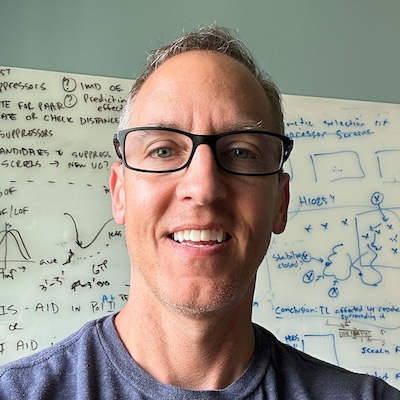 Dr. Craig Kaplan is a Professor in Biological Sciences, joining the department in 2019. He was previously a faculty member at Texas A&M (2009-2019). Dr. Kaplan’s research focuses on mechanisms of gene expression through the lens of RNA Polymerase II (Pol II), employing model organisms such as yeast as well as human cell lines to understand transcription mechanisms. Pol II is the enzyme that synthesizes all mRNAs and therefore is a key component for all protein coding genes expressed in eukaryotes. Gene expression perturbation is a fundamental contributor to oncogenesis and genome instability. Pol II transcription occurs simultaneously with cotranscriptional RNA processing, and perturbations in some of these processes (such as splicing and 3’-end formation) are linked to oncogenesis. Using a suite of tools, such as genomic-level analyses and high-throughput experiments with thousands of sequence how promoter architecture specifies transcription output or how individual residues of Pol II function within the active site, fundamental mechanisms of Pol II are being revealed.
 Dr. Kaplan has been funded continually by the NIH since 2011 and has also received awards from the Welch Foundation. The Kaplan lab has hosted ~30 undergraduates for research. Undergraduates are represented by 12 authorships on 5 published or submitted manuscripts from the Kaplan lab.
- Kirill Kiselyov, PhD
 Dr. Kirill Kiselyov, an Associate Professor in the Department of Biological Sciences, joined the Department in 2003. Major research directions in the lab are organellar physiology and evolutionary approaches to identify novel protein functions. Collaborative cancer-related research focuses on the intersection of lysosomal and mitochondrial function and cancer drug resistance in the context of head and neck cancers. The lab contributed to studies identifying endo-lysosomal ion transporters as drivers of resistance to cisplatin and other frontline cancer therapies, such that inhibition of lysosomal function synergizes with chemotherapies. The Kiselyov lab also showed that lysosomal exocytosis is a significant factor in the expulsion of toxic metals. These publications were co-authored or first authored by undergraduate students. The idea that inhibition of lysosomal drug sequestration and exocytosis synergizes with cisplatin was later elaborated using hydroxychloroquine and cuprizone, which produced significant synergy with cisplatin in vitro and in vivo.
 This work was supported by an NIH NIDCR R01 and Veterans Affairs grant (Dr. Kiselyov is a Co-Investigator), which are both focused on head and neck cancers. Two cancer-related R01 proposals with Dr. Kiselyov as co-I are under consideration by the NIH. Other evidence of undergraduate involvement includes studies focused on identifying new cancer targets in the lysosome-mitochondria axis. To date, the Kiselyov lab has mentored over 20 undergraduates, resulting in 8 manuscripts with undergraduate co-authors.
Undergrads in his lab have received numerous awards, including HHMI and Colella fellowships, and they attended international conferences. Most undergraduates work on individual projects under the direct mentorship of Dr. Kiselyov and are extensively trained in experimental design, data analysis, and presentation. The lab employs a comprehensive training program focused on resilience, broad exposure to the scientific method, and practicing essential professional activities such as presenting and discussing scientific evidence.
- Miler Lee, PhD
 Dr. Miler Lee is an Associate Professor in the Department of Biological Sciences and joined us in 2016. Their work focuses on understanding how stem cells are induced in early animal embryos through transcriptional reprogramming. Reactivation of embryonic stem cell genetic networks in non stem cells is the basis for many emerging biomedical technologies and personalized medicine approaches, but is also a rampant phenomenon in many cancers that can make them difficult to treat. Cancer stem cells self renew and proliferate, and their persistence in tumors can underlie chemotherapeutic resistance. Although the specific paths that lead to embryonic and cancer stem cells can differ, they are often driven by conserved molecular mechanisms, which remain to be fully elucidated.
 Dr. Lee's research is supported by an NIH R35 grant, and previously by the March of Dimes and the Winters Foundation. Dr. Lee has worked with over 25 undergraduate researchers, five of whom were awarded competitive summer fellowships. Undergraduate researchers in the lab have the flexibility to pursue different trajectories depending on their interests, needs, and ambitions, with some benefiting more from working closely with another lab member, while others branch off to develop their own independent projects. Dr. Lee's academic duties include teaching undergraduate courses in computational genomics methods in which students work on authentic research questions related to gene expression in contexts such as development and cancer. Dr. Lee also co-leads the Promoting Peers research mentorship program with Dr. Sarah Hainer.
- Tera Levin, PhD
 Dr. Tera Levin is an Assistant Professor in the Department of Biological Sciences and joined us in 2020. Dr. Levin’s work investigates how innate immune systems evolve and interact with bacterial pathogens. These pathogens are a particular risk to cancer patients, who are especially vulnerable to emerging infectious diseases. Infectious bacteria can be drivers of cancer, as exemplified with H. pylori and gastric cancer, and chronic infestation of amoebas in the intestine can similarly lead to intestinal or colon cancer. Notably, either bacterial or amoeba infections in cancer patients have been shown to reduce life expectancy.
 To support these efforts, Dr. Levin is currently supported by grants from the NIH (R35), NSF, and the Burroughs Wellcome Foundation. Dr. Levin was previously supported by the Damon Runyon Cancer Research Foundation through a postdoctoral fellowship and the Dale F. Frey Award for Breakthrough Scientists, which recognizes “spectacular young scientists are the most likely to make paradigm-shifting breakthroughs that transform the way we prevent, diagnose and treat cancer”.
In her lab, Dr. Levin pairs each undergraduate with a senior mentor to learn all aspects of scientific research, from reading the literature to designing and carrying out experiments, analyzing data, and writing up their work for publication. Accordingly, 5 undergraduates and 5 post-bacs are co-authors on current or upcoming publications. Moreover, 6 former trainees have gone on to join Ph.D. or MD/Ph.D. programs at institutions including UC Berkeley, MIT, Univ. of Washington, Pitt, and UPenn. Dr. Levin also recently published a teaching resource to help introduce undergraduates to the primary scientific literature.
- Allyson O'Donnell, PhD
 Dr. Allyson O’Donnell is an Associate Professor in the Department of Biological Sciences, joining us in 2018. Research in the O’Donnell lab focuses on a dynamic class of protein trafficking adaptors, known as the α-arrestins. The α-arrestins control the endocytosis of key membrane proteins, including nutrient transporters and G-protein coupled receptors; they act as tumor suppressors, preventing prolonged activation of signaling pathways and restricting nutrient uptake into cells. The O’Donnell lab’s recent work defines mechanisms of 2-deoxyglucose toxicity, which is an anti-cancer agent and currently approved treatment for glioblastoma, using cell biological and genetic approaches.
Dr. O’Donnell’s research is supported by an NSF grant (2023-2027) and an NIH R35 (2025-2030). Dr. O’Donnell has mentored >30 undergraduate researchers in her lab since 2015, and all students have presented their findings at local or national research meetings. Eleven published or in progress manuscripts from the O’Donnell lab have undergraduate researchers as co-authors, and in three cases undergraduates are first or co-first authors. Her undergraduates have received 11 summer fellowships and multiple awards, including a Goldwater Fellowship, ASCB and GSA travel grants, Outstanding Freshman and Chancellor’s awards, and an NSF GRFP. Nearly all past undergraduates have gone on to pursue PhD or MD training at institutions such as Harvard, Yale, Brown and UCSD.
- Mark Rebeiz, PhD
 Dr. Mark Rebeiz is a Professor in the Department of Biological Sciences and joined in 2010. Their work focuses on how mutations in the genome generate anatomical phenotypes, and how mutations in regulatory regions lead to altered anatomical features. Projects in the lab focus on the role of evolutionarily conserved transcription factors and signaling pathways in the generation of new phenotypes, including Notch and JAK/STAT, which are connected to cancer progression as oncogenes and tumor-intrinsic drivers of growth.
 Dr. Rebeiz is currently supported by grants from the NIH and U.S.-Israel Binational Science Foundation. Dr. Rebeiz has mentored 42 undergraduates in research. Undergraduates in the Rebeiz lab have appeared as authors on 7 papers, including 4 papers that were first authored by undergraduates. Dr. Rebeiz uses individualized development plans to help his undergraduates consider and strive for success in achieving their future career goals.
- Andy VanDemark, PhD
 Dr. Andy VanDemark is an Associate Professor and joined the Department of Biological Sciences in 2007. His work focuses on developing structure/function connections in a variety of proteins, including those that make up complexes associated with a variety of cancers. These efforts have revolved around the study of chromatin recognition complexes, whose activities directly impact gene expression. In one example, the lab reported that mutations in Cdc73, which result in jaw tumors, cluster to one face of Cdc73. The lab discovered that this region, which is mis-regulated in cancer, is responsible for recruiting the complex to chromatin.
Other current work, revealing structure-function relationships in other proteins connected to cancer, includes an analysis of profilin mutations that cause renal cancers. Efforts will pinpoint the cite of interaction and inform the design of anti-cancer therapies. Further, the lab is studying a protein of unknown function, GDAP1, which is highly upregulated in prostate cancers.
Dr. VanDemark is currently supported by NIH R01 and R21 awards, and he has trained 38 undergraduate researchers who developed and performed many of the binding assays and facilitated protein crystallization efforts in the lab. Their efforts are fully integrated into the primary research in the lab, thereby offering undergraduate researchers the opportunity to experience scientific planning at a deep level and to see how their experiments fit into the larger lab goals. Fifteen undergraduate researchers in the VanDemark lab have been awarded undergraduate research fellowships, and 10 have earned co-authorship on papers published by the lab. Dr. VanDemark has also developed and taught authentic research undergraduate lab courses in biochemistry based on his research in cancer biology.
- Peter Wipf, PhD
 Dr. Peter Wipf is a Distinguished University Professor in the Department of Chemistry. The Wipf lab pioneered new chemical synthetic strategies to prepare complex natural products and develop pharmaceuticals and chemical probe molecules. Amongst the highlights, reported in >650 publications and >100 US patents, are PX-866 (sonolisib®), which was tested in Phase II clinical trials for the treatment of cancer, and the discovery of lead candidate molecules licensed for clinical development in oncology and inflammation, including JMS-053, a phosphatase inhibitor that was featured most recently in Nat. Med. (2024).
 Dr. Wipf co-directs the Cancer Therapeutics Program at UPMC Hillman Cancer Center and published >20 papers with Dr. Brodsky on chaperone inhibitors that synergize with FDA-approved drugs for breast cancer, multiple myeloma, and rhabdomyosarcoma. Amongst his many honors are the ACS Award for Creative Work in Synthetic Organic Chemistry and an election as a Fellow of the Nationaly Academy of Inventors.
To date, the Wipf lab has hosted >200 undergraduates, who receive direct strategic supervision by Dr. Wipf and are assigned a graduate student lab mentor as well as a staff member with considerable experience and a track record of mentorship. This team focuses both on improving experimental skills as well as thematic knowhow to allow students to conduct their own research projects. Amongst the undergraduate-authored or co-authored papers in the last 15 years, during which >30 undergraduates participated in research, are reports in ACS Med. Chem. Lett, Bioorg. Med. Chem., and Tetrahedron.
PICTE Leadership and Advisory
- Dr. Jeff Brodsky — Program Director
 Prof. Jeffrey Brodsky holds the Avinoff Chair in Biological Sciences at the University of Pittsburgh.
Dr. Brodsky was born in Chicago, Illinois, and attended the University of Illinois where he received his bachelor's degree in Biochemistry, graduating magna cum laude with honors in 1985. He then entered the Biochemistry and Molecular Biology graduate program at Harvard University, receiving his PhD in 1990, and worked with Prof. Guido Guidotti on regulation of the sodium pump in the brain. Next, he moved to the University of California, Berkeley for post-doctoral research as an American Cancer Society Research Fellow and studied with Prof. Randy Schekman (Nobel Laureate, 2013), who pioneered the use of the yeast model to define how proteins are trafficked within the cell.
Dr. Brodsky joined the Faculty in the Department of Biological Sciences at the University of Pittsburgh in 1994 and was promoted to Associate Professor in 2000. In 2006 he was promoted to Full Professor and was awarded the Avinoff Chair. Prof. Brodsky’s work now focuses on understanding how misfolded proteins are recognized and destroyed in the cell, and how defects in protein architecture can be corrected using drugs and genetic approaches. Based on his work, he received the University of Pittsburgh Chancellor's Outstanding Research Award in the Junior Division in 1998 and the Chancellor’s Outstanding Teaching Award in 2008, as well as the Pitt Innovator Award in 2007.
In 2013, Dr. Brodsky was elected a Fellow of the American Association for the Advancement of Science (AAAS) and in 2022 he was again awarded the Chancellor's Outstanding Research Award (Senior Division), which was followed by elected membership in the American Academy of Arts and Sciences (2024). He also leads the Center for Protein Conformational Diseases on campus. Prof. Brodsky has served on the editorial boards of three journals, has published >250 scientific papers, holds several patents, and has acted as a scientific consultant for numerous disease foundations and biotech/pharmaceutical companies.
- Dr. Sarah Hainer — Program Co-Director
 Dr. Hainer joined the Department of Biological Sciences in 2018 as an Assistant Professor, is a Member of UPMC Hillman Cancer Center since 2021, and co-leader of the Center for Transcriptional Medicine which we founded in 2023.
Dr. Hainer has been interested in the fundamental principles of chromatin dynamics throughout my academic career. As a graduate student, Dr. Hainer trained in genetics and molecular biology with Dr. Joseph Martens at the University of Pittsburgh using S. cerevisiae as a model system to study the molecular mechanisms of transcription interference, about which prior to this time little was known. Her early studies provide a framework for understanding how transcription of non-coding elements can influence gene expression by modulating chromatin dynamics.
As a postdoctoral fellow funded by an NIH T32 grant (2012-2013), a Leukemia and Lymphoma Society fellowship (2013-2016) and a Leukemia and Lymphoma Society special fellow career development grant (2016-2019), Dr. Hainer worked with Dr. Thomas Fazzio at UMass Chan Medical School to define the roles of nucleosome remodelers in regulating chromatin dynamics and non-coding transcription in mouse embryonic stem cells, using functional genomics approaches.
Since opening her lab in 2018, Dr. Hainer’s research has been supported through an R35 NIH grant, initially funded 2019-2024 (with 4 administrative supplements) and renewed for 2024-2029, for which I am the sole PI (R35GM133732). The lab as previously supported by three intramural grants from the University of Pittsburgh: the Winters Foundation, the Momentum Fund, and the Pitt CRDF as well as a two-year research grant from the Charles Kaufman Foundation and a one-year research grant from the Whitehall Foundation. Through collaborations with various groups, the Hainer lab has been additionally supported through 9 NIH grants and 1 NSF grant.
- Dr. Teresa Buck — Program Coordinator
 Dr. Teresa Buck is a Research Associate Professor who first joined the department in 2006 as a postdoctoral research associate in Dr. Brodsky’s laboratory. She obtained NIH funding for 18 years, supporting her research program through postdoctoral, K01, R03, and R01 awards. Dr. Buck’s current research interests focus on understanding how cellular stress pathways influence disease progression. Specifically, her work examines how modulation of the unfolded protein response (UPR)—a key cellular stress pathway—can reveal new therapeutic targets for tissue injury. Importantly, dysregulation of the UPR can promote apoptosis and has been identified as a promising target for cancer therapeutics.
Dr. Buck has also been deeply involved in undergraduate research initiatives, serving on the Undergraduate Research Committee for a total of seven years, including three years as the Chair. In this role, she was responsible for writing and reviewing fellowship applications, interviewing candidates, and organizing research symposia and departmental poster fairs. Dr. Buck also has extensive experience mentoring undergraduates in the laboratory, having served as the primary mentor for 13 undergraduate researchers that resulted in twelve papers with student authors. In addition, Dr. Buck has consistently supported departmental undergraduate education by delivering guest lectures in specific classes, by moderating undergraduate research roundtable, by participating in academic panels, and by teaching the introductory biochemistry course (BIOSC 1000).
- Dr. David I. Hanauer — Educational Assessment Coordinator
David I. Hanauer is a Professor of Applied Linguistics at Indiana University of Pennsylvania and Lead Assessment Coordinator for the SEA-PHAGES program housed in the Hatfull lab at the University of Pittsburgh and supported by the Howard Hughes Medical Institute. His research centers on science education, particularly the design and assessment of authentic research experiences for undergraduates. Hanauer developed the concept of active assessment, which emphasizes student ownership and authentic scientific inquiry in laboratory settings. Through his work with the SEA-PHAGES program, he has evaluated thousands of students engaged in real bacteriophage discovery and genomic analysis, fostering meaningful participation in the scientific process. His scholarship combines empirical rigor with innovative approaches to measuring learning outcomes in STEM education.
- Dr. Alison Slinskey Legg — Program Advisor
 Dr. Alison Slinskey Legg is a Center director and teaching professor at the University of Pittsburgh, designs and leads interventions at scale to broaden participation in the STEM education to workforce pathway. At Pitt, she founded an outreach program and partnered with regional school districts, community-based organizations and dedicated external funders to provide current STEM content to over 10,000 students per year. She developed an outreach teaching lab at Pitt, Pitt-Kits curriculum and a mobile laboratory program that traveled to K-12 schools across the tri-state area. Her teacher professional development program provided Pitt-kits curriculum and content updates to over 500 regional teachers/year. The summer laboratory research program that she co-developed and directed “Gene Team” was the feature of a PBS television pilot program “Science Mission 101” which won the Pennsylvania Excellence in Broadcasting Award for Children’s Programming in 2010.
Dr. Legg is the founding Director of the Broadening Engagement in STEM Center which was designed to create a collective impact space that leverages expertise from academic and professional sectors to create STEM opportunities for all students. Dr. Legg served as the Principal Investigator of the $10 million NSF INCLUDES ALLIANCE: STEM PUSH Network. Through STEM PUSH, Dr. Legg and her colleagues are working to make quality STEM education that happens in out-of-school-time pre-college programs recognized student achievement.
- Dr. Nancy Kaufmann — Program Advisor
 Dr. Kaufmann is a Teaching Professor, initially joining the Brodsky lab as an NIH-funded postdoc and was then recruited to design and run the HHMI undergraduate Science Education and research program. Through these long-term efforts, she has worked extensively with Dr. Hanauer, a member of our Advisory Committee who will oversee Program Evaluation and Assessment.
As head of the summer undergraduate research program for 12 years, Dr. Kaufmann initiated a research ‘bootcamp’ to introduce students to research methods and ethics and promote mentoring relationships through the Entering Mentoring curriculum. In addition, Dr. Kaufmann organized journal clubs and structured Q&A meetings for students with journal authors. She also initiated the Research Roundtables and poster symposia, and in parallel taught large introductory and smaller, focused courses, most notably those that that were designed to give all first-year students in introductory Biology lab classes a bona fide research experience with the goal of increasing long-term commitment in STEM.
Dr. Kaufmann additionally co-designed a new course integrating lecture and lab courses in a discovery-based format to increase persistence of URM students. In-line with these activities, she participated in an NSF-funded “Belonging Intervention” initiative to improve URM experiences in large lecture Biology courses through dedicated team problem-based learning. Dr. Kaufmann is now collaborating with a multi-institutional group to design and assess authentic research labs focused on interdisciplinary projects.
The PICTE Experience
- 10-week Summer Experience
PICTE student participants will participate in a full-time, 10-week research training experience from May 27th, 2026 to July 31st, 2026. Each student will work approximately 37 hours a week in a participating faculty mentor’s research lab, learning and applying fundamental research skills.
Hands-on training in cutting-edge methods will be directed toward testing new hypotheses in cancer research. This rigorous research experience will be complemented by journal clubs, small group discussions, and instruction in research ethics, rigor and reproducibility, lab safety, authorship, data management, scientific collaboration, and mentor-mentee relationships. Professional development activities will address career exploration, scientific writing, poster preparation, and presentation skills.
Leveraging the program’s close partnership with the NCI-designated UPMC Hillman Cancer Center, a centerpiece of PICTE will include weekly visits to the Cancer Center. Through discussions with basic researchers and physician-scientists, participants will gain a deeper understanding of bench-to-bedside research and current challenges in cancer research, treatment, and patient care. These sessions will take place during three 1-hour meetings each week during the 10-week summer program. At the end of the 10-week session, students will present their research to the broader community during a poster symposium (to be held July 31st, 2026).
PICTE participants will receive a stipend of $6,000 and a $1,000 housing allowance for the Summer term. Due to the 40-hour per week commitment, extended travel (i.e., more than two days during the week), employment, and academic activities (such as enrollment in courses) are not permitted. With the exception of emergencies, attendance at all Tuesday, Wednesday, and Thursday courses is expected.
Tuesday Wednesday Thursday Week 1 PICTE Introduction and Laboratory Safety What is Cancer? (I)
MechanismsWhat is Cancer? (II)
TreatmentsWeek 2 Research Ethics and Reproducibility Research Discussion
Drs. Brodsky and HainerStudent-Led Discussion
NCI podcast about cancer research and careersWeek 3 Data Acquisition, Management, and Statistics Visit to the Hillman Cancer Center (I)
What role does an NCI-designated cancer center play in cancer research and treatment?Discussion
Developing a scientific hypothesis based on your research projectWeek 4 Social Responsibility of Researchers and Institutions Science Communication
What is an "elevator pitch"?The Elevator Pitch
Student PresentationsWeek 5 How to Construct a Research Presentation Visit to the Hillman Cancer Center (II)
Visit to a cancer treatment clinicStudent Presentations
One slide of project backgroundWeek 6 Special Considerations when Using Humans/Animals in Cancer Research Research Discussion
Drs. Durrant and WipfMentoring
Preparation for mentoring high school students to apply to and succeed in collegeWeek 7 Meetings with High School Students in a Local Research Program Visit to the Hillman Cancer Center (III)
Discussions with a clinical researcher/oncologistStudent Presentations
One slide describing an experimental methodWeek 8 Career Panel Discussion: The PhD Research Discussion
Drs. O'Donnell and BermanStudent Presentations
One slide on recently acquired dataWeek 9 Career Panel Discussion: The MD Visit to the Hillman Cancer Center (IV)
Translating research discoveries for patient curesStudent Presentations
Draft of posterWeek 10 Preparing a Scientific Abstract and Travel Award Poster Presentation Practice (I) Poster Presentation Practice (II) - 15-week Fall Experience
Following the summer research experience, PICTE students will continue advancing their research projects during the Fall 2026 term, working a minimum of 10 hours per week in their mentor’s laboratory. Students will receive a $2,250 stipend for this continued research engagement.
Program meetings in September and October will prepare PICTE students for the capstone experience: attendance at a national undergraduate research conference in November of 2026. Attendance to an open-registration meeting will not only provide PICTE students with opportunities to present their work and interact with research-active undergraduates and faculty from across the country, but will also have the opportunity to participate in sessions on careers, networking, and professional development. At the meeting, lectures from top-flight scientists will be complemented by manned information tables from a myriad of graduate and medical school programs, thus helping trainees identify options for post-graduate programs. Following conference attendance, students will host a session open to all undergraduate students to discuss their conference experience.
Continued participation in the research lab beyond the Fall term will be determined collaboratively between the PICTE student and their faculty mentor.
2026 PICTE Participants
- Alexandra Alder
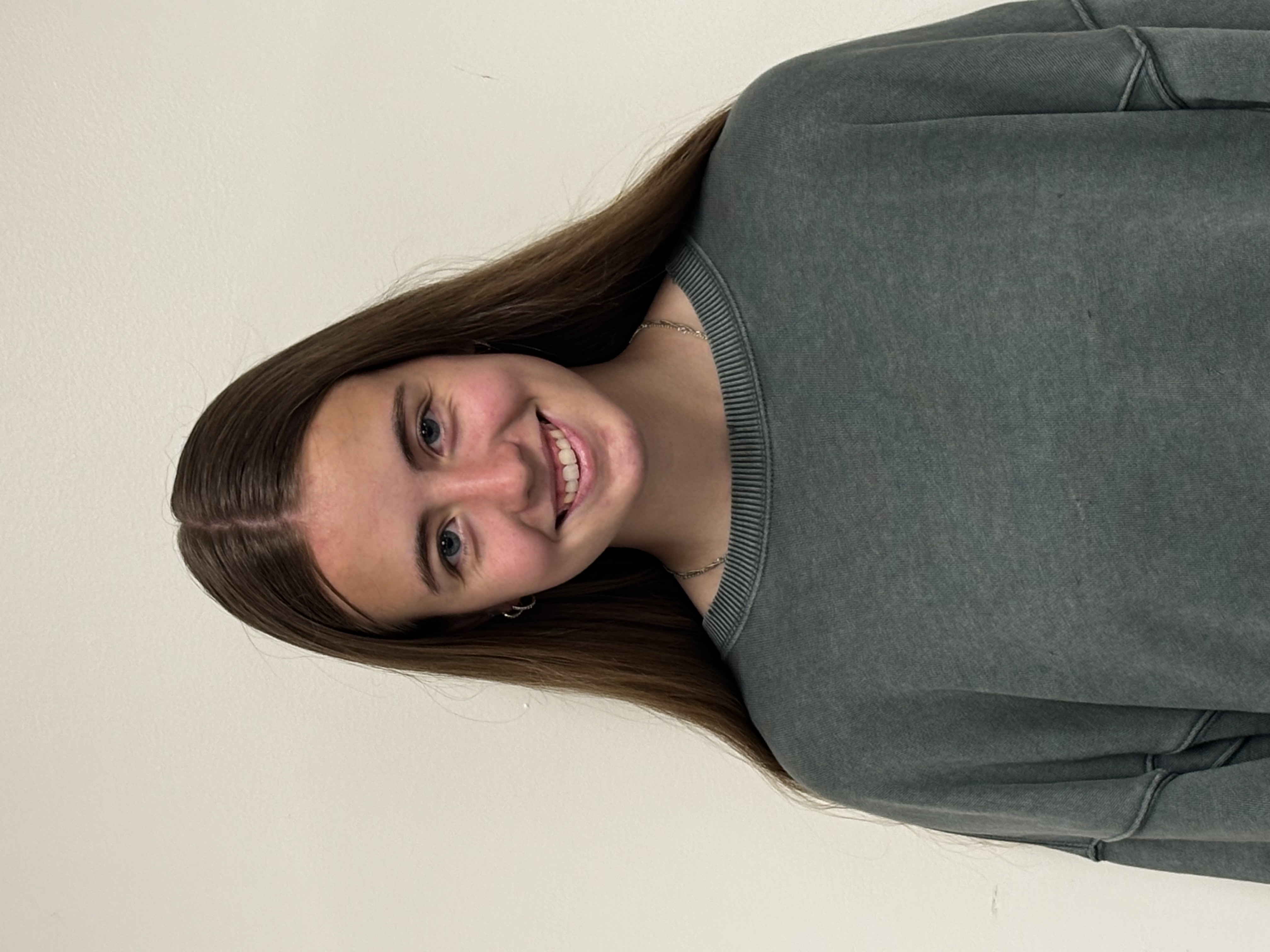
Alex is a rising sophomore performing research in the Berman lab. The title of their project is "Investigating isoform-specific functions of LARP1 in ovarian cancer"
- Camila Franquie

Camila is a rising sophomore performing research in the Hainer lab. The title of their project is "Assessing Molecular Compensation Among CHD3, CHD4, and CHD5"
- Jyhir Hatten

Jyhir is a rising sophomore performing research in the VanDemark lab. The title of their project is "Understanding the Role of GDAP1 in Cell ROS Management/Response"
- Henry Heintz
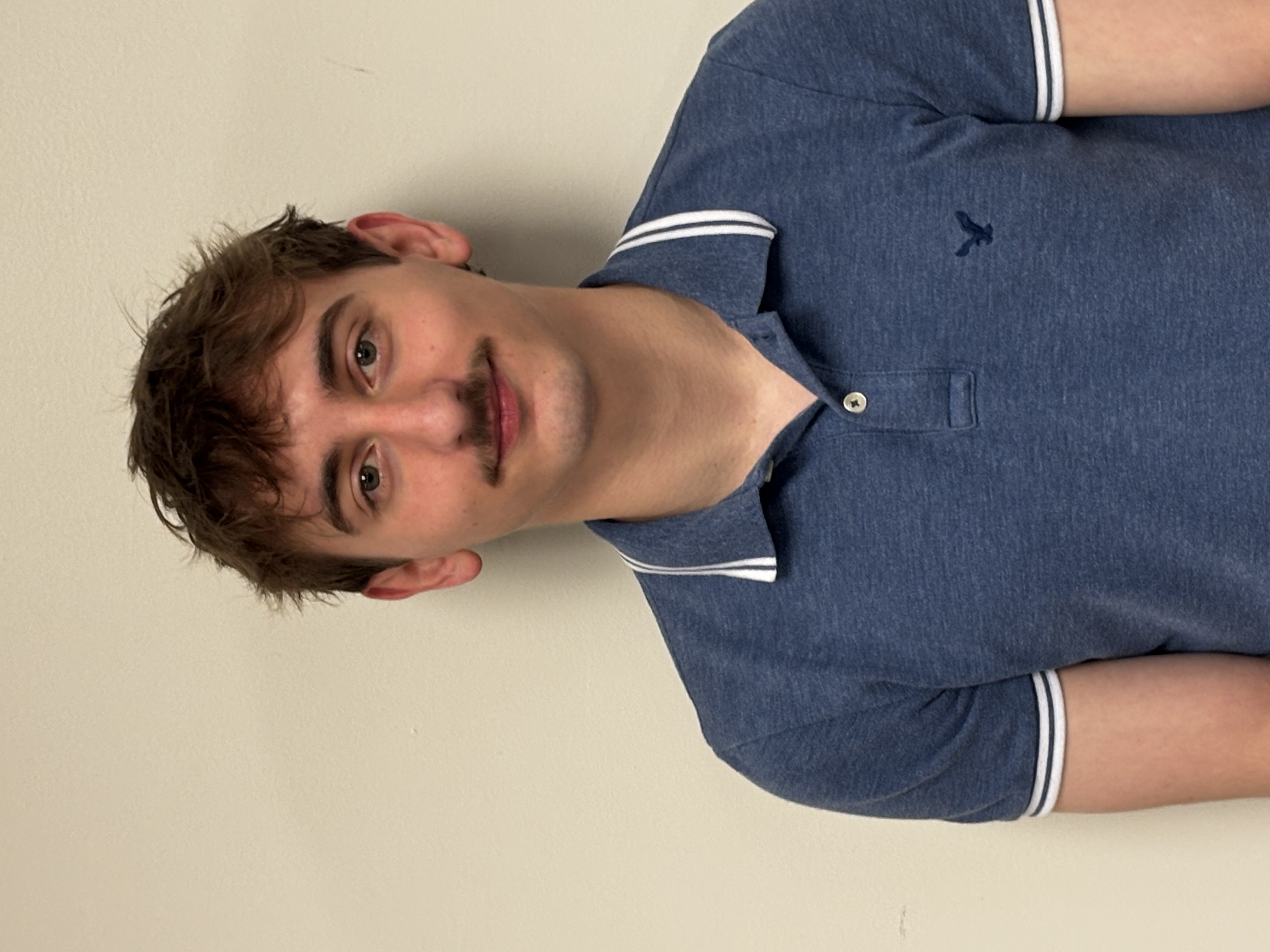
Henry is a rising senior performing research in the Wipf lab. The title of their project is "From MAL3‑101 to Thiadiazine 1,1‑Dioxides: Engineering Hsp70 Inhibitors for Anticancer Applications"
- Alexis Helsel
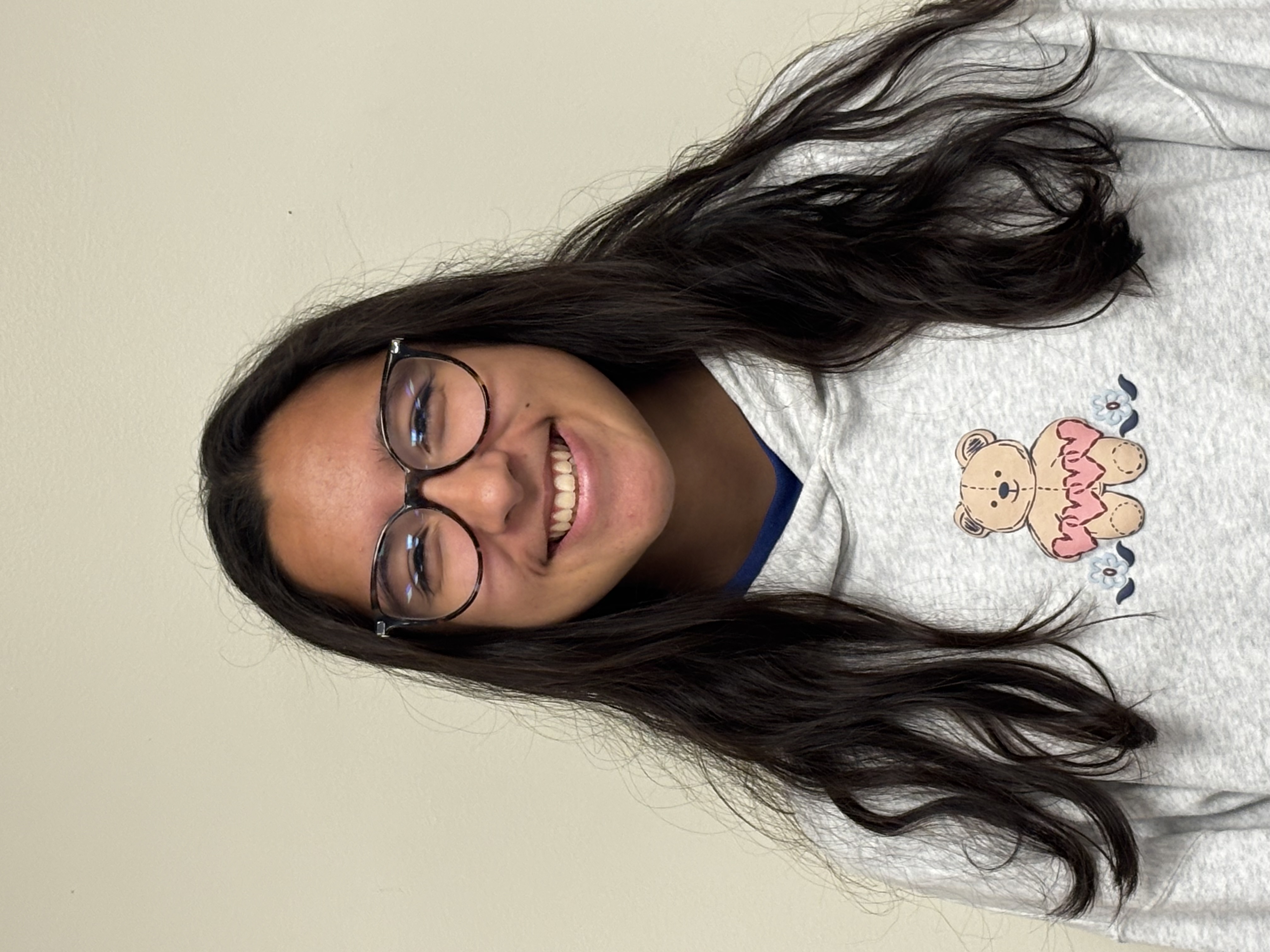
Alexis is a rising senior performing research in the Brodsky lab. The title of their project is "The Impact of UBL7 on Quiescent Ovarian Cancer"
- Megan Kelroy

Megan is a rising senior performing research in the O'Donnell lab. The title of their project is "Arginine Sensing Mechanisms in Yeast: Identifying and Characterizing Candidate Sensors"
- Liz Marrero

Liz is a rising junior performing research in the Rebeiz lab. The title of their project is "How Changes in Gene Regulation Shape Genital Pigmentation Between Drosophila yakuba and Drosophila santomea"
- Dhruv Thacker
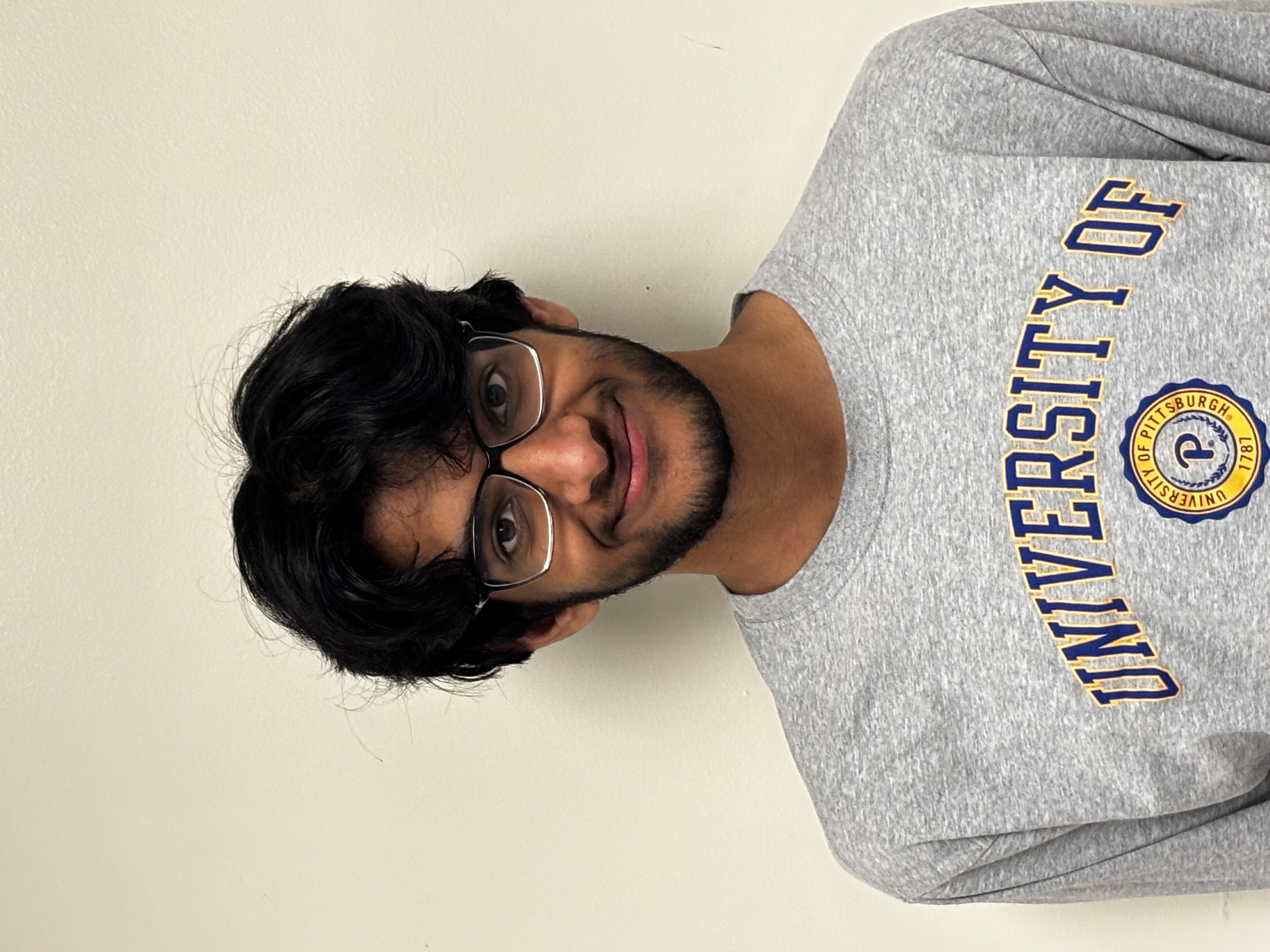
Dhruv is a rising sophomore performing research in the Arndt lab. The title of their project is "Investigating the role of conserved, disease-associated Paf1 complex residues in transcription and chromatin regulation"
- Nadia Valero-Mendez

Nadia is a rising senior performing research in the Cahoon lab. The title of their project is "Characterization of Listeria monocytogenes PrsA2 chaperone domains and small molecule inhibitors "
- Joshua Yoon
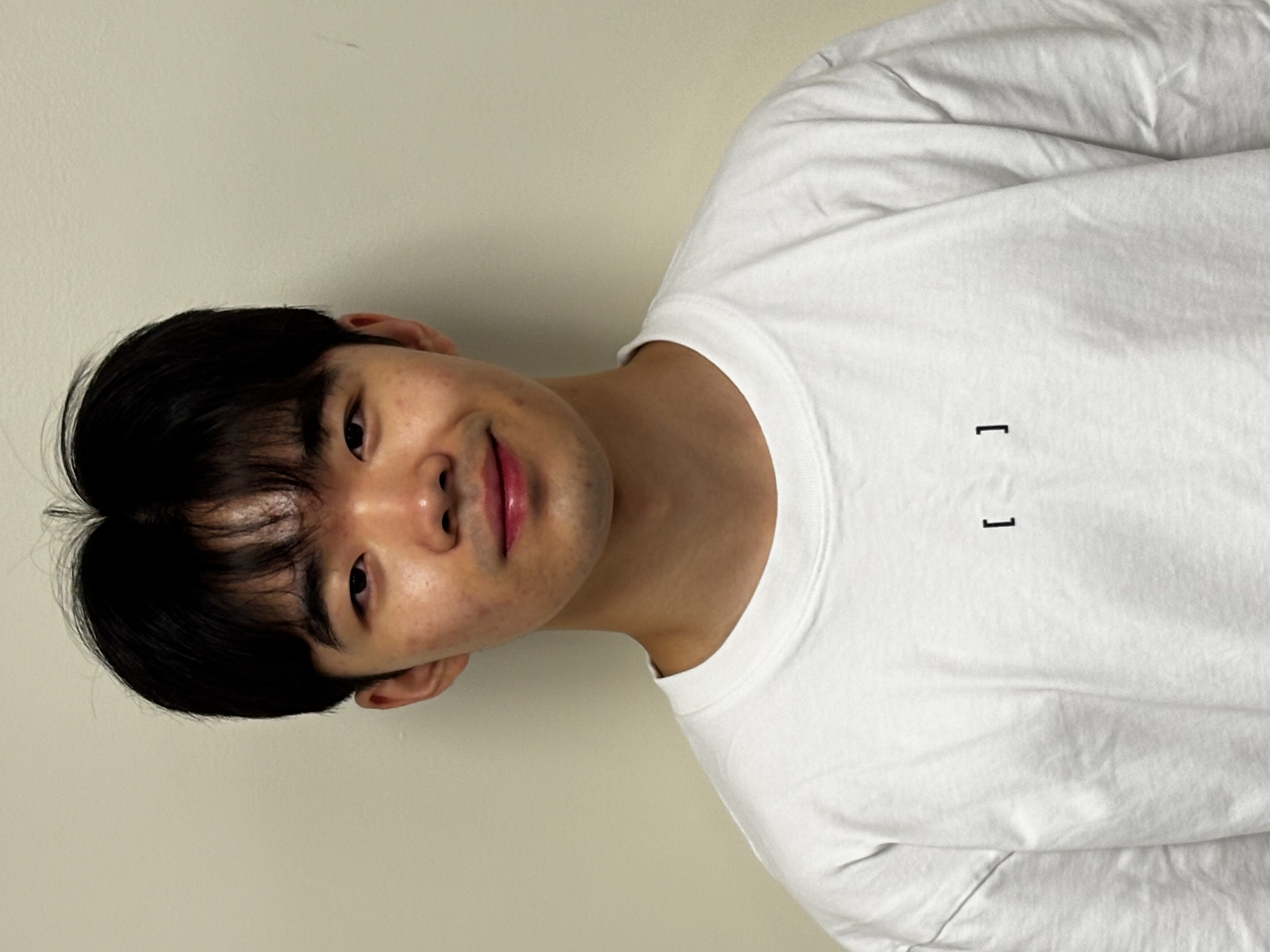
Joshua is a rising senior performing research in the Deiters lab. The title of their project is "Selective Protein Inactivation via Genetic Code Expansion "
The PICTE program is generously supported by