
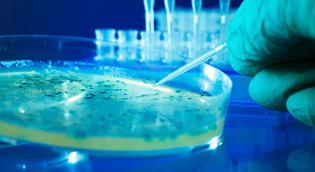
BIOLOGICAL SCIENCES MAJOR
Biological Sciences offers you the freedom to accomplish either great breadth or a deep focus in an area of specialization not represented in the department’s other majors. Core biology requirements are combined with electives to allow you to make your own individualized combination of courses to promote and further your special interests.
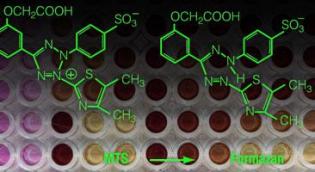
BIOCHEMISTRY MAJOR
Biochemistry is the study of how molecules in organisms work and interact at a chemical and physical level. Biochemistry can be used to study the underpinnings of processes in a wide range of disciplines, including cell biology, developmental biology, and molecular biology. Biochemical and molecular developments have revolutionized biological research, fueling the explosive growth in the biotechnology industry and rapid increase of molecular medicine. The Biochemistry, BS is accredited by the American Society for Biochemistry and Molecular Biology, which recognizes excellent degree programs. Students may elect to take a degree certification exam.
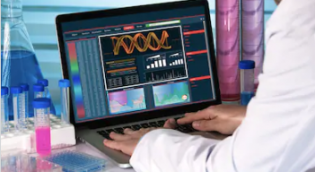
COMPUTATIONAL BIOLOGY MAJOR
Computational Biology, offered jointly between the Departments of Biological Sciences (Dietrich School of Arts & Sciences) and Computer Science (School of Computing and Information), will prepare students to understand core principles, models, and theories in the fields of biology and computer science and use them strategically to solve key problems in Computational Biology. Graduates will have the skills and knowledge to pursue graduate study or careers in industry.

ECOLOGY AND EVOLUTION MAJOR
Ecology and evolution examines fundamental questions of how species live and interact in nature and the evolutionary origins of species. You can study morphological, physiological, and behavioral adaptations of animals, plants, and microorganisms; genetic mechanisms of evolution; and ecological relationships of organisms at the individual, population, community, ecosystem, and global levels.
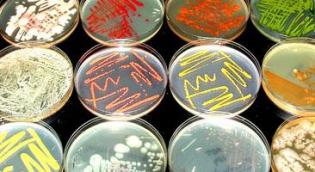
MICROBIOLOGY MAJOR
Microbiology is the study of microscopic organisms, including viruses, bacteria, archaea, fungi, and protists. Microorganisms are important for nutrient cycling, production of antibiotics, food production and infectious disease. Our program provides intensive training in modern microbiology, including cutting-edge research in genomics and genetic engineering.
MOLECULAR BIOLOGY MAJOR
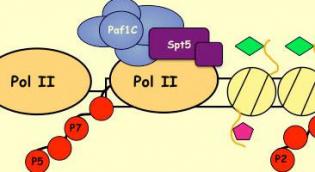
Molecular Biology emphasizes the study of molecules that make up an organism, how they interact, and how they are controlled. Our program includes the study of genomics where biologists study organisms at the whole genome level. Molecular biology and genomics are applied within all biological disciplines, including biochemistry, cell biology, and developmental biology. Molecular biology and genomics has revolutionized biology research, fueling growth in biotechnology and medicine. The Molecular Biology, BS is accredited by the American Society for Biochemistry and Molecular Biology, which recognizes excellent degree programs. Students may elect to take a degree certification exam..
DEPARTMENTAL HONORS
Students in any of our majors may apply to our Departmental Honors Program.